
Pace. This phrase, currently climbing the Bullsh*t Bingo charts, can mean one of two things. First is to do with speed, dynamism, rapid change, urgency, etc. The other meaning from the Latin word pace as in peace, with all due respect to, no offence to. I assume most thrusting business folk aspire to the first meaning. However, others are more into the latter meaning, as in: Leave me in peace!, Peace off!
Of course, with businesses scrambling to recover from the lockdown, change is now the norm, and agile the over-used Newspeak term for looking like you could respond to the latest market challenge. I have covered my jaundiced view on agile before, so let’s look at what Pace adds to the debate.
What businesses are really wanting is to move from the slothful leviathans they mostly are to an entrepreneurial start-up structure where the strategy, structure, products, services, etc. can be transformed overnight into a corporate tiger ready to pounce on a business opportunity. Read Culture Clash to check if your company is being CALM or RASH.
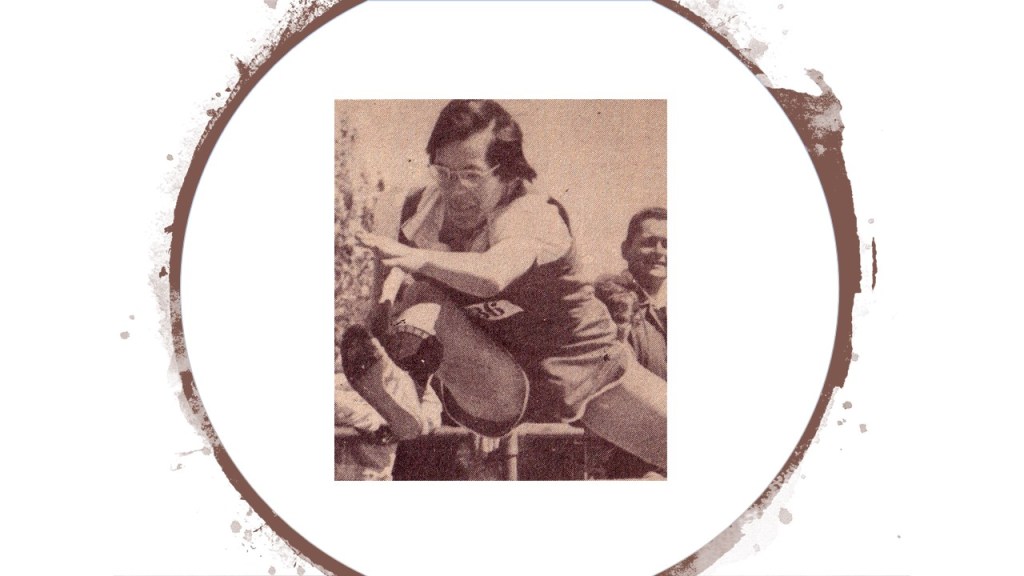
It’s a bit like me believing I can still hurdle like the Devon AAA champion I was in 1976. Even though I am about twice the weight and half the speed I was then, the mind is willing, but the body now exerts a hefty gravitation pull. Businesses accrete weight of their own, particularly if they are successful, and this inevitably slows down change and reaction times. For them, each hurdle requires a committee, steering group, risk assessment, and a full project team to examine the options to achieve a hurdling strategy before building a hurdle avoidance solution over the next 12-18 months.
Also, the business change we are talking about here does not lend itself to the current agile fad, as this is a business problem, with real people, organisations, processes, feelings, unions, and politics to address, not some easy-peasy IT challenge. So, what the business needs is Pace. But how can your typical high cholesterol, furred-artery’d business achieve Pace?
I would personally soften Pace into Pacing. Again, in defiance of the agile urge to sprint, I would counsel a more purposeful approach. To me Pacing in this context is running at the right speed at the right time for the whole race. The goal should be to win the race not to get to the first hurdle in front. Of course, there are circumstances where first mover advantage is extremely significant, when getting the elbows flailing and spiking the chap in front is the, er, right thing to do. However, unless there is a clear long-term advantage in doing so, then best mover is usually the most successful strategy. To be clear, best mover is not a licence to form enormous programmes teams and spend years perfecting a solution. Best mover is about understanding where attention to detail and building foundations are critical to the success of the venture, and also where a quick and dirty solution will protect your market or disrupt the competition.
I have seen many organisations when challenged with Pace do the headless chicken or emulate Corporal Jones in Dad’s Army (“Don’t panic, Mr. Mainwaring, don’t panic!”). Having everyone facing the same way definitely helps here. Unless you’re part of a lemming commune, of course. Remember that most people are unable to run and think at the same time. They are either in a blind panic or a blissful state (mmm, endorphins). In fact, many of your people may have difficulty walking and talking, so you need to ensure that the rate of change can be absorbed and landed as business as usual. Also note that constant change is very demoralising for most staff, and effectiveness drops dramatically if change isn’t stepped, and then instilled at each step.
So, in summary, Pace is Good; Pacing is Better.
John “Pacemaker” Moe
 Recycled Bullsh-IT
Leave a comment